Core Web Vitals transformed how entire organizations think and talk about web performance. Mobile deserves an equivalent framework — one that's rigorous, user-focused, and tied to real business outcomes. We're building it. Here's how.
We surveyed 300 frontend engineering teams. 89% use AI in their workflows, but only 8% apply it to observability. See what drives the gap and how your team compares.
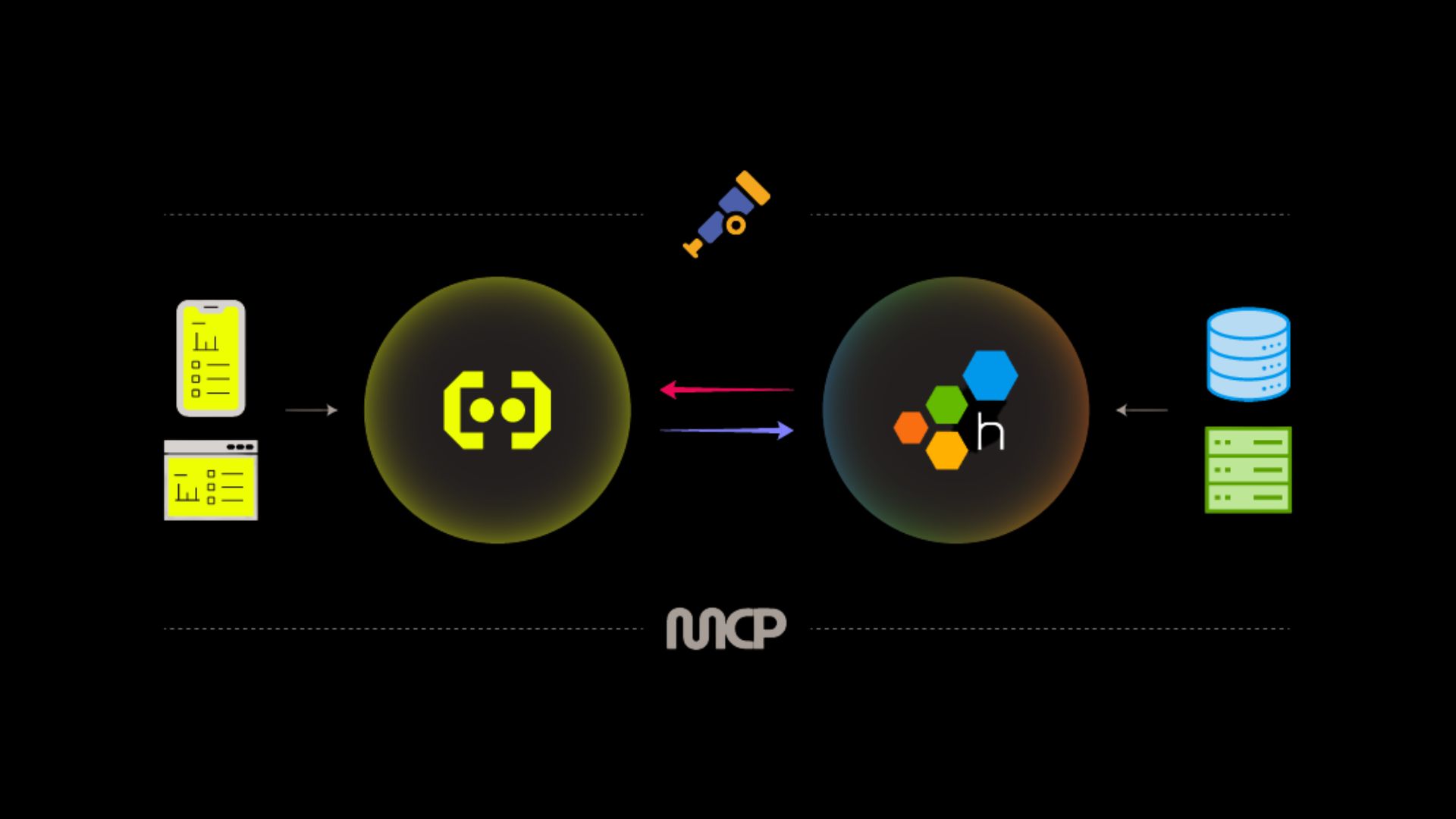
A new strategic partnership with Honeycomb brings Embrace's web and mobile RUM together with industry-leading services observability, so engineering teams can finally follow a problem from the backend straight to the users feeling it.
Looking for the best Android crash reporting tool? Explore the top 10 platforms of 2026 to detect, diagnose, and fix crashes faster for reliable mobile apps.
Explore the top JavaScript debugging tools in 2025. Compare features and use cases to find the best solution for fixing errors and improving performance.
Discover the best Flutter performance monitoring tools to track app performance, fix crashes faster, and deliver seamless mobile experiences for your users.
Discover the 10 best Bugsnag alternative tools for 2026. Compare features, pricing, and benefits to find the perfect error monitoring and observability solution for your team with Embrace’s expert picks.
Discover the best DataDog alternatives for 2026, offering predictable pricing, simpler billing, and flexible monitoring options without vendor lock-in.